Posted by Dr. Taner Cakmak on Fri, 23 Oct 2026
Kanata South Dental - Dentist Kanata
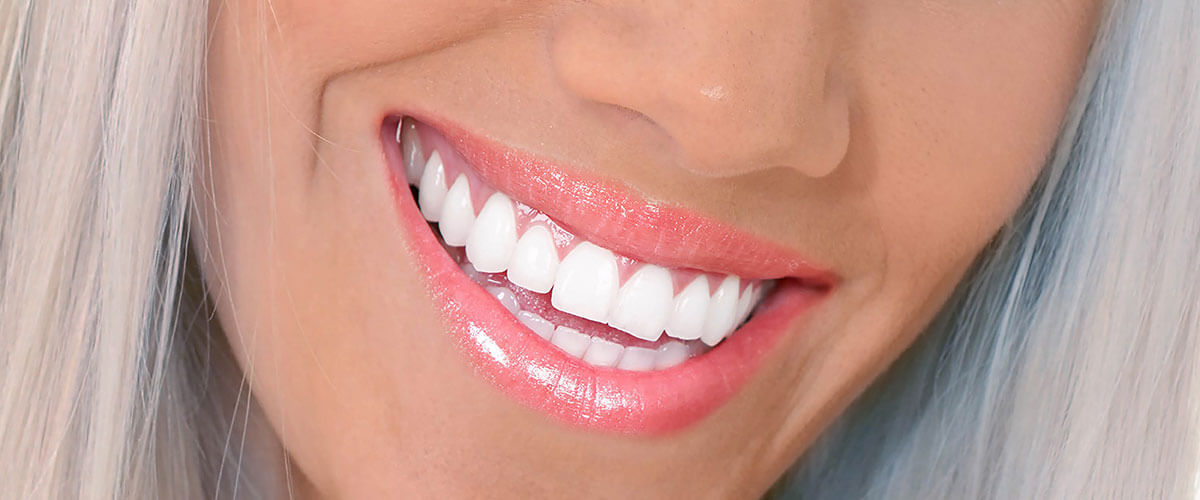
A brighter smile can boost your confidence and help you feel your best. With so many teeth-whitening products available, you may wonder whether professional teeth whitening at a dental clinic is worth it or if store-bought whitening strips can deliver the same results.
The truth is that both professional whitening and store-bought strips can whiten your teeth, but they differ in strength, speed, customization, and professional supervision. Understanding these differences can help you choose the option that best fits your smile and dental health.
How Does Professional Teeth Whitening Work?
Professional teeth whitening is performed under the guidance of a dental professional using whitening products designed to remove stains and lighten the natural colour of your teeth.
At Kanata South Dental Clinic, we offer Philips Zoom professional teeth whitening to help patients achieve a brighter smile.
Benefits of professional teeth whitening include:
- Faster results: Depending on the treatment and your starting tooth colour, noticeable whitening may be achieved in a single appointment.
- Professional supervision: Your dentist can assess your teeth and gums before treatment and help determine whether whitening is appropriate for you.
- Personalized treatment: Your dentist can recommend a suitable whitening approach based on your goals, existing dental work, and sensitivity concerns.
- Support for sensitive teeth: If you experience sensitivity, your dental team can discuss ways to help manage it before and after whitening.
Professional whitening can be particularly helpful for people who want noticeable results within a shorter timeframe or who prefer guidance throughout the process.
Keep in mind that whitening results vary from person to person. Crowns, veneers, fillings, and other dental restorations do not whiten in the same way as natural teeth.
What About Store-Bought Whitening Strips?
Whitening strips are a popular option because they are widely available and generally less expensive than professional whitening. They contain a whitening agent, commonly hydrogen peroxide or a related peroxide compound, that helps lighten certain types of tooth stains.
Benefits of whitening strips include:
- Convenience: You can use them at home according to the product instructions.
- Lower upfront cost: They are often a more budget-friendly starting point.
- Gradual results: With consistent use, some products can produce a visible improvement over several days or weeks.
- Easy availability: Many pharmacies and retailers carry whitening strips.
However, results depend on the product, the type of staining, and how consistently you use it. Strips may not fit every tooth evenly, and some people experience tooth sensitivity or gum irritation.
It is also important to follow the instructions carefully. Using strips more frequently or for longer than recommended does not necessarily produce better results and may increase irritation.
Professional Whitening vs. Whitening Strips: What's the Difference?
| Feature | Professional Whitening | Store-Bought Strips |
|---|---|---|
| Speed | Often faster, depending on treatment | Usually gradual |
| Supervision | Guided by a dental professional | Self-administered |
| Customization | Can be tailored to your needs | Limited to the product available |
| Cost | Higher upfront cost | Generally more affordable |
| Sensitivity support | Personalized advice and follow-up | Depends on the product and your own management |
| Best suited for | Patients seeking professional guidance and potentially faster results | People seeking a convenient, lower-cost option |
Neither option guarantees a particular shade or a permanent result. Your starting tooth colour, stain type, oral health, diet, and habits all influence the outcome.
Which Option Works Better for Different Types of Stains?
Not all tooth discolouration is the same.
Surface stains caused by coffee, tea, red wine, and tobacco may respond to whitening products. Professional cleaning can also help remove external stains and plaque, although cleaning alone does not change the natural colour of your teeth.
Yellowing associated with the natural colour of your teeth may respond to peroxide-based whitening, depending on the cause and severity.
Deeper stains or discolouration caused by trauma, certain medications, or changes inside the tooth may be more difficult to treat. Whitening strips may have limited results in these cases, and your dentist can explain which options may be appropriate.
If you have one tooth that is significantly darker than the others, it is especially important to have it examined before starting whitening.
Is Professional Teeth Whitening Safer?
Both professional whitening and properly used, reputable store-bought products can be effective when used appropriately. However, professional supervision offers an important advantage: your dentist can identify dental concerns that may need attention before whitening.
Untreated cavities, gum inflammation, exposed tooth roots, cracked teeth, and existing sensitivity may increase discomfort during treatment.
Before whitening, a dental assessment can help determine whether your teeth and gums are healthy enough for the procedure. Your dentist can also discuss the possibility of temporary sensitivity and ways to reduce it.
Whitening is not recommended for everyone, including children, and pregnant or breastfeeding patients should discuss the timing of elective whitening with their healthcare professional.
How Can You Keep Your Teeth White After Whitening?
Regardless of which whitening method you choose, maintaining your results requires good daily habits.
- Brush twice daily with fluoride toothpaste and clean between your teeth every day.
- Schedule regular dental checkups and professional cleanings.
- Limit frequent exposure to staining drinks such as coffee and tea.
- Rinse with water after consuming foods or drinks that may stain your teeth.
- Avoid smoking and tobacco products.
- Follow your dentist's recommendations for touch-up whitening, if appropriate.
Remember that natural teeth gradually accumulate stains over time. Occasional maintenance may help preserve your results, but repeated whitening should be guided by the product instructions and your dental professional's advice.
So, Which Teeth-Whitening Option Should You Choose?
If you are looking for a convenient and affordable option, store-bought whitening strips may be a reasonable choice for mild surface staining when used correctly.
If you prefer potentially faster results, a treatment plan tailored to your smile, or professional guidance because of sensitivity or existing dental work, professional teeth whitening may be the better fit.
The best choice is the one that meets your whitening goals while protecting your oral health.
Brighten Your Smile at Kanata South Dental Clinic
Thinking about whitening your teeth but not sure where to start?
At Kanata South Dental Clinic, our team can assess your smile, discuss your whitening goals, and help you understand whether Philips Zoom professional teeth whitening is right for you.
Book a whitening consultation to learn about your options and take the next step toward a brighter, more confident smile.
Kanata South Dental Clinic
120 Terence Matthews Crescent, Unit C-1
Kanata, Ontario
Phone: 613-519-1400
Contact our team today to ask about professional teeth whitening and find the right approach for your smile.
Disclaimer: This article is for general educational purposes and does not replace personalized dental advice. Whitening suitability and results vary by individual.
Dentist Kanata
We will gladly answer any questions you may have.
Ask QuestionsKanata South Dental offers the ability to request your dentist appointments online. Schedule an appointment now!
Book OnlineBy filling out the New Patient Forms ahead of time you will save significant time on your visit.
New Patient FormsLatest News
Collagen Supplements and Gum Growth: Can Collagen Really Help Your Gums?
Fri, 23 Oct 2026Healthy gums are essential for a healthy smile. They protect the roots of your teeth, support the surrounding tissues, and help keep your teeth stable. In recen...
Continue Reading
